
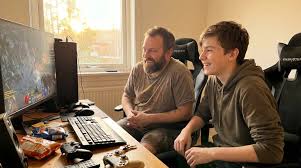
Online Gaming and Skill Development: How Games Build Real-World Abilities
Online SBOBET88 is often viewed purely as entertainment, but in reality, it plays a significant role in developing valuable real-world skills. From improving cognitive abilities to enhancing communication and teamwork, online games offer a dynamic environment where players continuously learn and grow. As gaming becomes more integrated into daily life, its impact on personal development is becoming increasingly evident.
Cognitive Skills and Strategic Thinking
Many online games require players to think critically and make quick decisions. Whether it’s planning a strategy in a multiplayer battle or solving complex puzzles, gaming challenges the brain in unique ways.
Strategy-based games, in particular, encourage players to analyze situations, predict outcomes, and adapt their approach. This kind of thinking improves problem-solving skills and enhances the ability to make decisions under pressure.
Over time, players develop a sharper mind, capable of processing information quickly and efficiently.
Improved Hand-Eye Coordination
Online gaming often involves fast-paced actions that require precise timing and coordination. Players must react quickly to visual cues, making split-second decisions that can determine success or failure.
This constant interaction between the eyes and hands strengthens coordination and reflexes. These skills can be beneficial in real-life activities, such as driving, sports, and even certain professions that require precision.
Communication and Teamwork
Multiplayer online games are built around teamwork. Players must communicate effectively to achieve shared goals, whether it’s winning a match or completing a mission.
Voice chat and messaging systems allow players to share strategies, give instructions, and support each other. This interaction helps develop communication skills, including clarity, listening, and adaptability.
Working in a team also teaches players how to handle conflicts, cooperate with others, and build trust—skills that are essential in both personal and professional environments.
Time Management and Discipline
Online gaming often requires players to manage their time effectively. Many games include daily tasks, limited-time events, and long-term goals that encourage players to plan their activities.
Balancing gaming with other responsibilities, such as work or education, helps develop discipline and time management skills. Players learn how to prioritize tasks and allocate their time wisely.
These habits can translate into better productivity and organization in real life.
Learning Through Failure
Failure is a natural part of online gaming. Players lose matches, make mistakes, and face challenges that require repeated attempts to overcome.
This process teaches resilience and perseverance. Instead of giving up, players learn to analyze their mistakes, adjust their strategies, and try again.
This mindset is valuable in real life, where success often comes through persistence and continuous improvement.
Creativity and Innovation
Many online games encourage creativity. Players can design characters, build structures, and create unique strategies to achieve their goals.
Sandbox games, in particular, provide open-ended environments where players can experiment and innovate. This freedom fosters imagination and creative thinking.
Even in competitive games, players often develop new tactics and approaches, showcasing their ability to think outside the box.
Leadership and Decision-Making
In team-based games, players often take on leadership roles. They guide their team, make strategic decisions, and coordinate actions to achieve success.
Leadership in gaming involves responsibility, communication, and the ability to inspire others. Players learn how to make decisions under pressure and manage group dynamics effectively.
These experiences can help individuals develop leadership qualities that are useful in real-world situations.
Adaptability and Quick Learning
Online gaming environments are constantly changing. Updates, new features, and evolving strategies require players to adapt quickly.
This adaptability helps players become more flexible and open to change. They learn how to quickly understand new systems and adjust their approach accordingly.
In a rapidly changing world, the ability to adapt is a crucial skill, making gaming a valuable training ground.
Emotional Control and Stress Management
Gaming can be both exciting and challenging. Players often face high-pressure situations that require them to stay calm and focused.
Learning to manage emotions during intense gameplay helps improve emotional control. Players develop the ability to handle stress, frustration, and excitement in a balanced way.
This emotional regulation can be beneficial in real-life scenarios, such as work or personal challenges.
The Balance Between Gaming and Life
While online gaming offers many benefits, it is important to maintain a healthy balance. Excessive gaming can lead to negative effects, such as reduced physical activity and disrupted routines.
Setting limits and taking breaks ensures that gaming remains a positive and productive activity. When used responsibly, online gaming can complement personal development rather than hinder it.
The Future of Skill-Based Gaming
As technology advances, online gaming will continue to evolve as a platform for skill development. Educational games and training simulations are becoming more common, using gaming principles to teach real-world skills.
Virtual reality and artificial intelligence are expected to enhance these experiences, creating more immersive and effective learning environments.
This shift highlights the potential of gaming as a tool for education and personal growth.
Conclusion
Online gaming is far more than just a source of entertainment. It is a powerful platform for developing a wide range of skills, from cognitive abilities and communication to creativity and leadership.
By approaching gaming with balance and awareness, players can unlock its full potential as a tool for growth. In today’s digital world, online gaming is not just about playing—it is about learning, improving, and preparing for real-life challenges in an engaging and interactive way.