How Footballers Control Body Weight Across a Long Season
In elite football, body weight is not a vanity metric; it is a performance variable that affects speed, endurance and injury risk across a 60‑game calendar. Studies tracking body composition in professional squads show that even small shifts in fat mass or lean mass can influence physical outputs, so clubs now manage weight with the same planning they apply to tactics and conditioning. For viewers, that means the sharp pressing and repeated sprints you see in April or May are closely tied to invisible decisions about nutrition, monitoring and training made months earlier.
Why Weight And Body Composition Matter For Modern Football
The core objective in weight management is not to keep players “light” but to maintain an optimal balance of lean mass and fat mass for their position and game model. Research on professional footballers across decades shows that height, body mass and body mass index have gradually increased in top leagues, reflecting a shift toward more powerful, physically robust athletes without sacrificing mobility. Within that trend, clubs aim to keep fat mass relatively low and stable, because excess fat is non‑functional load that makes each sprint, jump and deceleration more costly, especially in high‑pressing systems.
How Clubs Monitor Weight And Body Composition Week By Week
Modern squads rarely rely on a single scale reading; they use a combination of tools to monitor body composition and hydration over the season. Common methods include:
- Daily or near‑daily body‑mass measurements, often first thing in the morning, to track short‑term fluctuations and hydration.
- Regular skinfold or bioelectrical impedance assessments, and in some clubs DXA scans, to estimate fat mass and lean mass changes across macrocycles.
- Body‑mass checks before and after training or matches to quantify fluid loss and guide individual rehydration strategies.
These data help staff spot trends—such as gradual increases in fat mass during congested periods or unwanted lean‑mass loss after injury—so they can adjust nutrition and gym work before performance on the pitch suffers.
Typical In-Season Body Composition Trends
Longitudinal studies on professional players show that body composition does move over a season, even under careful control. One investigation of elite soccer athletes found that selected laboratory and field methods detected changes in fat‑free mass across the competitive period, indicating that training load and match exposure can slightly increase or decrease muscle mass depending on position and programme. Other work on macrocycles reports maturation‑free improvements in anthropometric and performance characteristics, especially in younger pros, suggesting that training and nutrition can still refine body composition without just relying on natural growth. For viewers, these trends matter because they influence whether a player looks sharper or heavier in the second half of the season than in the first.
Nutrition As The Main Lever For Weight Control
Although training burns significant energy, practitioners emphasise that nutrition is the primary lever for controlling body weight and body composition in football. Club nutrition teams work with chefs to provide meals that align energy intake with individual needs, using:
- Appropriate total calories relative to training and match load.
- Sufficient protein (often around 1.6–2.2 g/kg/day in practice) to maintain or build lean mass, particularly during congested schedules or when cutting fat.
- Carbohydrate periodisation—higher intakes (e.g., 4–6 g/kg/day or more) on heavy training and match days, lower on light days—to fuel performance while avoiding unnecessary surplus.
Applied work on body recomposition in athletes and other populations shows that, with high protein intake and structured resistance training, it is possible to reduce fat mass and gain or maintain muscle even in slight calorie deficits. This is the principle many footballers use when they arrive at pre‑season above target weight or need to lean out during an international break without losing power.
How Training Load Supports Weight Targets Without Sacrificing Performance
Training volume and intensity give clubs another way to influence weight while staying focused on ดูบอลสดคืนนี้ โกลแดดดี้‑specific outputs. A competitive season’s training typically involves high volumes of running, intermittent high‑intensity drills and gym work, which together create a substantial energy demand and stimulus for maintaining or increasing lean mass. Conditioning staff adjust gym content—more hypertrophy work when a player needs to add mass, more strength and power with slightly tighter calorie control when the aim is to maintain muscle while trimming fat—to align physiology with the player’s tactical role. For example, a centre‑back might carry more muscle mass than a winger but still be kept within strict body‑fat limits so that acceleration and agility are not compromised.
What Viewers Can Infer From Body Shape And Movement When They ดูบอลสด
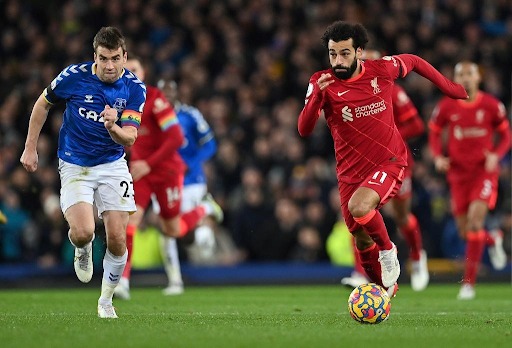
When you watch matches live, weight control shows up less in isolated photos and more in movement patterns over 90 minutes. While following ดูบอลสด, you can often see whether a player is at or near their best body composition by how quickly they accelerate from standstill, how easily they repeat sprints, and whether their turning and recovery runs look crisp or slightly laboured late in games. Over a season, small changes in body mass and fat percentage can alter how players absorb contact, win aerial duels or sustain pressing; for example, a forward who has lost unnecessary mass while keeping strength may appear more explosive into channels and better able to press centre‑backs without fading.
How Clubs Balance “Playing Weight” With Long-Term Health
High‑performance environments are increasingly aware that an overly narrow focus on body fat can harm mental and physical health. Practitioners stress that the goal is a healthy, sport‑specific body composition rather than extreme leanness, with educational materials warning against crash dieting, disordered eating and overuse of weight as a motivational tool. The “changing shape” of successful professionals over decades—taller, slightly heavier, more muscular—highlights that the sport has moved toward robust physiques tuned for repeated high‑intensity actions, not simply the lowest possible scale numbers. For fans, this is a reminder that visible “bulk” on screen may be functional muscle rather than a sign of being out of shape.
Weight Targets Across Positions And Game Models
Although exact numbers vary by club, staff set position‑ and role‑dependent weight and composition targets informed by research and internal data. For example:
- Centre‑backs and target forwards are often allowed slightly higher body mass and muscle bulk to compete in aerial and physical duels, within agreed body‑fat limits.
- Wingers and attacking full‑backs usually aim for lighter, more agile profiles to support repeated high‑speed runs and rapid changes of direction.
- Central midfielders often sit in the middle, requiring enough robustness for duels and enough lightness for constant shuttling.
From a viewing standpoint, this helps explain why two players at the same height can look very different physically while both being at their ideal “playing weight” for their tactical role.
Practical Checklist For Reading Weight And Conditioning Across A Season
To connect weight management to what you see over months, you can watch players and teams with a simple checklist instead of relying on social‑media narratives about “shape”.
- Compare early‑season and late‑season movement: are key players still accelerating and decelerating with the same sharpness, or do they look heavier in their first few steps.
- Track how often certain players complete 90 minutes versus being substituted regularly around 60–70 minutes; persistent early withdrawals can sometimes hint at conditioning or weight‑related fatigue, especially if not injury‑driven.
- Notice changes after breaks (international windows, mid‑season pauses, off‑season): do returning players look leaner, more powerful, or slightly sluggish—and does commentary mention body‑composition work.
- Watch duels and aerial battles: added functional mass can improve a player’s ability to hold off opponents and win headers, but sharp drops in mobility alongside weight gain can signal a shift away from optimal playing weight.
- Over time, link clubs known for strong nutrition and performance departments to fewer visible late‑season drop‑offs, suggesting that their weight and composition management helps sustain their tactical intensity.
Using this framework, you can read body weight as one thread in the larger performance fabric, connecting invisible decisions about diet and monitoring to the visible energy, agility and resilience that define how a team plays.
Summary
Professional footballers control body weight across a season through tight monitoring of body composition, structured nutrition and tailored training, aiming for position‑specific “playing weights” that maximise power and endurance while minimising non‑functional fat. Research shows that even modest shifts in lean mass and fat mass occur over the competitive cycle, so clubs continually adjust calories, macronutrients and gym work to keep players close to their targets without harming health or performance. For viewers watching full matches, the most useful perspective is to interpret sharp movement, sustained pressing and robust duels as signs of well‑managed weight and composition, rather than treating “fitness” as something separate from these underlying physical choices.