
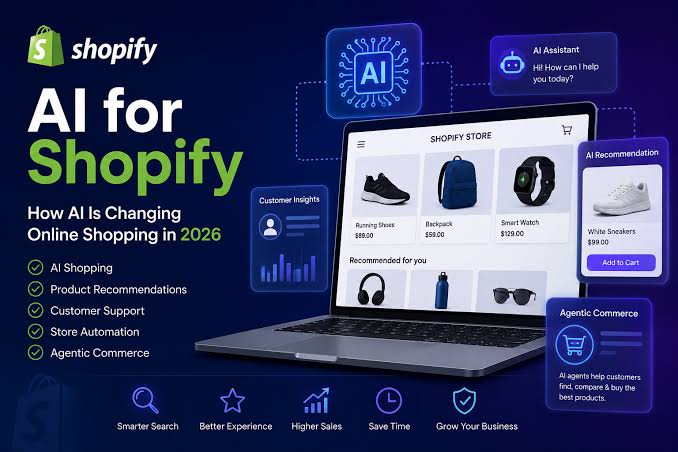
Browsing to Buying: How AI Supports the Shopify Customer Journey
Getting visitors to an online store is one thing, but encouraging them to complete a purchase is a different challenge. Customers often browse several products, compare prices, read descriptions, and leave without buying anything. Knowing these purchasing patterns may have a big impact on how Shopify business owners approach marketing. Artificial intelligence is helping businesses better understand customer preferences, simplify shopping experiences, and create more meaningful interactions throughout the buying journey.
Understanding Customer Behavior Beyond Basic Analytics
Traditional website analytics can show how many people visit a store, which pages receive attention, and where customers leave. However, these numbers do not always explain what shoppers are actually looking for.
AI analyses surfing activity, product interactions, and past purchases to help firms spot trends in consumer behaviour. For example, when visitors repeatedly explore a particular product category, AI tools can help identify their interests and suggest relevant marketing opportunities.
With Shopify AI marketing, store owners can use these insights to make better decisions about product promotions, customer engagement, and personalized shopping experiences.
Making Product Discovery More Relevant
Customers do not always know exactly what they want when they enter an online store. Some browse for inspiration, while others have specific requirements but struggle to find suitable products.
AI-powered product recommendations can make this process easier by suggesting items based on browsing behavior, purchase history, and product similarities.
For instance, someone exploring running shoes might receive recommendations for related footwear, socks, or fitness accessories. These suggestions can help customers discover useful products without searching through multiple categories.
When recommendations genuinely match customer interests, shopping becomes more convenient and less overwhelming.
Creating Personalized Marketing Experiences
Not every customer responds to the same promotional message. Someone visiting a Shopify store for the first time may need product information, while a returning customer might be more interested in new arrivals or complementary items.
AI allows businesses to organize customers into meaningful groups based on their interactions and preferences.
Through Shopify AI marketing, businesses can develop personalized email campaigns, targeted promotions, and product suggestions that reflect different shopping interests.
Instead of sending identical messages to everyone, store owners can communicate with customers in ways that feel more relevant. This approach can encourage engagement while reducing unnecessary promotional messages.
Helping Customers Make Confident Purchase Decisions
Unanswered questions often prevent shoppers from completing purchases. Customers may want to know about product sizes, delivery options, return policies, or compatibility before placing an order.
AI powered chat assistants can provide immediate responses to common questions, helping customers find information without waiting for support staff.
For example, a shopper comparing two electronic accessories might ask about their differences. An AI assistant connected to accurate product information can explain relevant features and guide the customer toward a suitable choice.
However, businesses should ensure that automated responses remain accurate and provide access to human assistance when necessary.
Reducing Friction During the Checkout Process
A complicated checkout experience can discourage customers who were initially interested in buying. Unexpected shipping costs, unclear delivery information, and unnecessary steps may cause shoppers to abandon their carts.
AI can help Shopify businesses analyze checkout behavior and identify where customers commonly encounter difficulties.
Store owners can use these insights to improve product information, clarify shipping policies, and simplify the overall purchasing experience.
AI driven marketing automation can also support carefully timed abandoned cart reminders. These messages may encourage interested shoppers to return, particularly when they contain helpful information rather than aggressive sales language.
Building Customer Relationships After the Purchase
The customer journey does not end when an order is placed. Post-purchase communication plays an important role in encouraging repeat business and maintaining customer satisfaction.
AI can help automate order follow-ups, recommend complementary products, and identify appropriate opportunities for customer feedback.
For example, someone purchasing skincare products might later receive useful product care information or suggestions based on their previous order.
Businesses using Shopify AI marketing can create more consistent communication throughout these interactions while keeping messages relevant to customer needs.
Finding the Right Balance Between AI and Human Interaction
Although AI offers useful automation capabilities, successful ecommerce marketing still requires human judgment. Customers appreciate convenience, but they also expect genuine communication and reliable support.
Store owners should regularly review automated campaigns, monitor customer feedback, and ensure that personalization respects privacy preferences.
AI works best when it supports thoughtful marketing decisions rather than replacing the human understanding behind them.
Conclusion
Turning casual browsers into paying customers requires more than attractive products and promotional offers. Every stage of the shopping journey should help customers find information, explore suitable options, and make confident decisions.
By combining customer insights, personalized recommendations, responsive support, and marketing automation, Shopify businesses can create smoother shopping experiences. The real value of AI lies in making online shopping more relevant, convenient, and useful for both customers and store owners.