
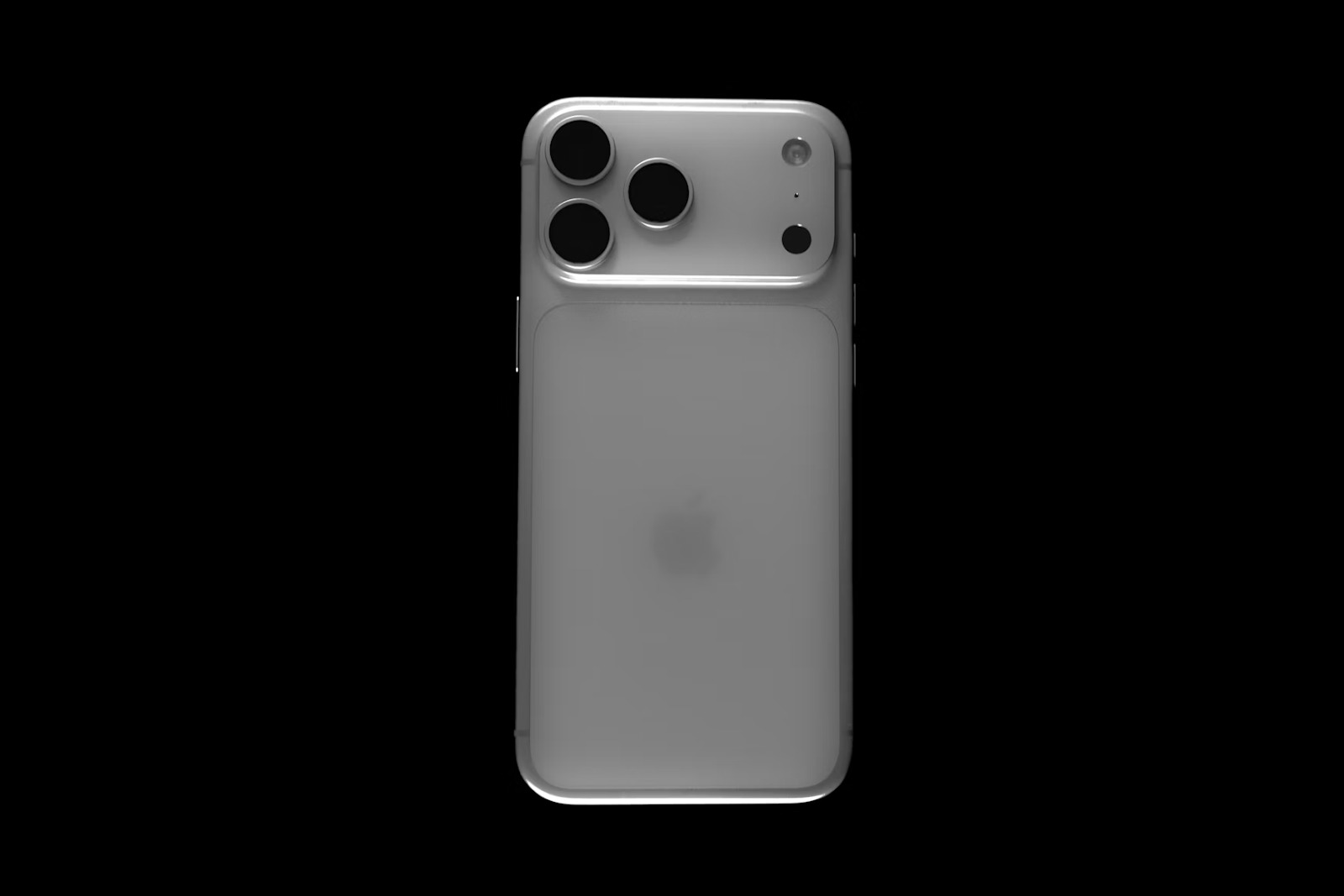
Have Smartphones Hit Their Ceiling
Smartphones used to feel like a new chapter every year. Bigger jumps in cameras, batteries, screens, and speed made upgrades easy to justify. Lately, the mood has changed. New models look polished, but the leap feels smaller. The question keeps coming back in reviews and real conversations: has the smartphone reached a ceiling, or is the next leap simply hiding in a different place?
Modern phone life also blends serious tasks with random curiosity in the same pocket device. A person can compare camera sensors, then end up in a totally unrelated thread like casino hold’em online, simply because the internet is built to pull attention sideways. That messy reality matters here, because the “ceiling” is not only about hardware. It is also about how phones are used, what feels meaningful, and what improvements still change daily habits.
Why Upgrades Feel Smaller Now
The biggest reason is maturity. Screens are already bright, sharp, and fast. Chips are already powerful enough for most everyday tasks. Cameras are already good enough for social media, family photos, and casual video. Once a product becomes excellent at the basics, additional gains turn subtle. Subtle gains struggle to create hype.
Another reason is physics and comfort. A phone must fit in a hand and pocket. Battery size fights weight. Camera sensors fight thickness. Heat fights performance. Designers can keep tuning, but the form factor puts real limits on how dramatic change can look.
The Ceiling Might Be Psychological
A ceiling can be real, but a ceiling can also be a perception problem. Many features today improve edge cases. That matters for creators and power users, but not for everyone. A slightly better night photo does not feel life changing to a person who mostly messages friends and watches videos.
Software also plays a role. When apps and services become the main experience, hardware gains feel invisible. A faster chip matters less when a social app still loads the same feed and shows the same ads.
Where Phones Still Improve In Ways That Count
Even if the surface looks familiar, important progress continues under the hood. Phones keep becoming safer, more efficient, and more reliable. The improvements are less flashy, but they affect daily life more than a new color option.
The clearest changes tend to land in areas that reduce friction, not in areas that chase specs for bragging rights. That shift can make innovation look boring, yet boring can be useful.
A short list helps show where meaningful progress still shows up. The goal is not hype, but practical value that a normal user can feel.
Key areas where smartphones still move forward
Battery Health Management That Keeps Capacity Stable Longer
On Device AI Features That Reduce Waiting And Improve Privacy
Better Cellular Efficiency For Stronger Signal And Lower Power Drain
Security Hardware That Makes Account Takeovers Harder
Camera Consistency That Improves Everyday Shots More Than Specs Suggest
Repairability Improvements That Make Ownership Less Wasteful
These changes do not always sell a phone in a ten second ad, but these changes can extend a device’s useful life and reduce daily annoyance.
The Real Question Is What Replaces The Phone’s Role
If a ceiling exists, it may be a ceiling on the phone as the center of everything. Many people already feel tired of screens. Phones are essential, yet constant scrolling feels draining. That tension pushes interest toward new shapes of computing, not just new phone models.
Wearables, AR glasses, and voice interfaces keep trying to become the “next screen.” The challenge is that phones are convenient, private, and versatile. Replacing that combination is hard. A watch is faster for quick actions, but weak for deep tasks. Glasses can be immersive, but socially awkward and battery limited. Voice can be natural, but not always appropriate in public.
Why The Upgrade Cycle Is Slowing Down
Another sign of a ceiling is behavior. Many buyers keep phones longer. Updates and repairs extend life. Prices are higher, and economic pressure makes incremental gains less tempting. When a three year old device still runs well, the upgrade story must be stronger to win.
This shift can be healthy. Longer lifespans reduce e-waste and push brands to support devices better. It also encourages innovation that focuses on durability and repair rather than only speed.
What A “Next Leap” Could Look Like
The next leap probably will not be a single spec. It will look like a bundle of changes that improve comfort, trust, and longevity. A second list can make that clearer, because future proof value tends to come from system level upgrades.
Future shifts that could break the ceiling feeling
Multi Day Battery Life Without Making Phones Heavy
Durable Screens That Resist Cracks And Deep Scratches
Truly Useful Assistants That Work Offline And Respect Privacy
Modular Repair Friendly Designs That Cut Total Ownership Cost
Seamless Switching Between Phone And Wearables For Less Screen Time
Stronger Default Safety Tools For Accounts And Payments
If several of these improvements arrive together, the upgrade story becomes exciting again, even without changing the basic shape of a phone.
So Has The Ceiling Been Reached
Smartphones have reached a ceiling in visible novelty, not in progress. The era of annual jaw dropping jumps is mostly over, because the fundamentals are already strong and the form factor is constrained. The next wave will likely feel quieter and more practical, focused on battery, safety, durability, and smarter on device features. The phone is not done evolving, but the definition of “better” has changed.